







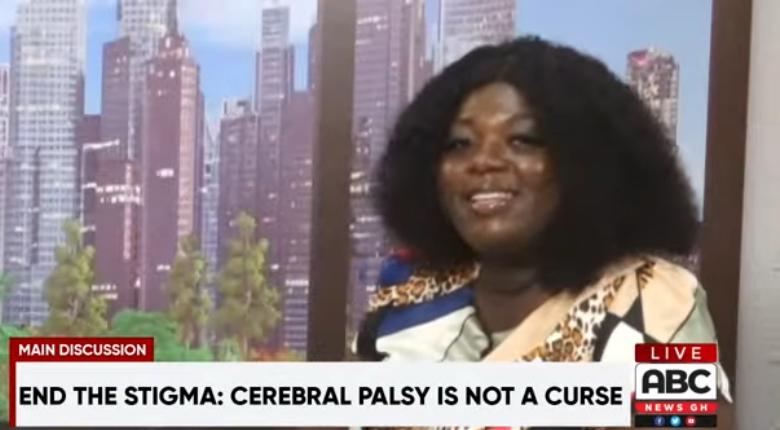
A disability rights advocate has called for urgent national action to address stigma, neglect, and weak policy implementation affecting persons living with Cerebral Palsy in Ghana, urging society to replace pity with acceptance and inclusion.
Speaking in an interview on ABC In The Morning, the Executive Director with God Cerebral Palsy Ghana, Ellen Affam-Dadzie, said many families raising children with Cerebral Palsy continue to face misunderstanding and social isolation.
“People see children with Cerebral Palsy and they think that this one is pitiful, but my child is a blessing,” she said, urging the public to recognise the dignity and value of children living with the condition.
“Many are locked away due to neglect”
Affam-Dadzie expressed concern that systemic neglect and social stigma have contributed to the isolation of some persons living with the condition.
“A lot of people with Cerebral Palsy are locked in the room because the system has neglected them,” she stated, describing the situation as a reflection of gaps in social protection and support systems.
She explained that Cerebral Palsy, a Cerebral Palsy, can occur during pregnancy, childbirth, or after birth, and therefore requires improved awareness and early intervention.
Emotional impact on families
The disability advocate also reflected on the emotional journey many parents go through after diagnosis, noting that acceptance is often not immediate.
“I went through different stages of grief,” she shared, highlighting the psychological strain families endure while caring for children with the condition.


Despite the challenges, she emphasised that she does not wish the condition on anyone, underscoring the need for stronger support systems for affected families.
“I don’t wish Cerebral Palsy on my worst enemy,” she added.
No cure, but support is key
Affam-Dadzie reiterated that there is currently no cure for Cerebral Palsy, but early intervention, rehabilitation, and inclusive systems can significantly improve the quality of life of affected individuals.
“There is no cure for Cerebral Palsy,” she said, calling for sustained national awareness and investment in disability care services.
Policy concerns and implementation gap
She further criticised the gap between existing disability policies and their implementation, arguing that many initiatives remain ineffective in practice.
“Policy initiatives for Cerebral palsy victims is on paper and not a reality,” she noted.
According to her, real progress depends on enforcement and practical execution of policies designed to support persons with disabilities.
“If implementation is being enforced, I think we will get somewhere,” she added.
Call for inclusion
Affam-Dadzie concluded with a strong call for societal change, urging stakeholders to prioritise inclusion and accessibility for persons living with Cerebral Palsy.
“Inclusion, we have a long way to go,” she said, stressing that meaningful change will require commitment from government, institutions, and the public alike.