






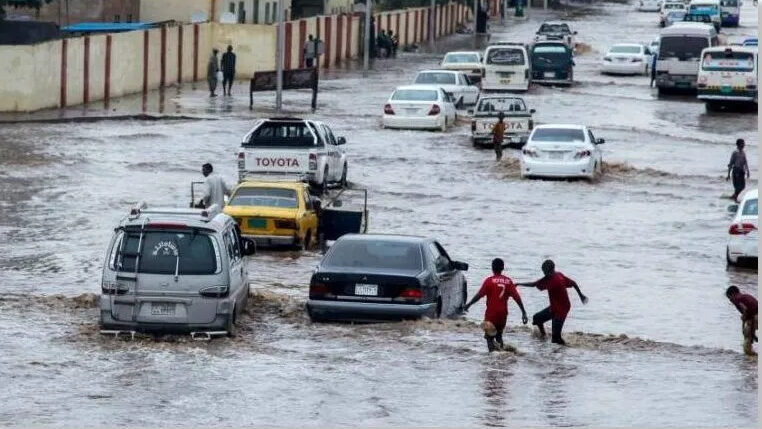
Perennial flooding has become a recurring challenge in Ghana, affecting major cities such as Accra, Kumasi, Tamale, and low-lying communities in the Volta Region during almost every rainy season. While heavy rainfall contributes significantly to the problem, experts believe that effective planning, strict enforcement of regulations, and public cooperation can substantially reduce its devastating impact.
Flooding in Ghana is not a new phenomenon, yet its frequency and severity continue to raise concerns among residents, policymakers, and disaster management experts. Beyond the immediate destruction of homes, businesses, and infrastructure, floods often result in loss of lives, displacement of families, and significant economic setbacks.
While no single intervention can completely eliminate the threat, a combination of practical and sustained measures can help mitigate the risks and build more resilient communities.
1. Improve Drainage Systems and Protect Waterways
Regular desilting of drains must be carried out ahead of the rainy season, with stricter and more timely enforcement by the relevant authorities. Equally important is the removal of structures erected on waterways and drainage channels. Although such actions may be difficult in the short term, blocked watercourses inevitably increase the risk of severe flooding. The Odaw River basin in Accra remains a clear example of this challenge.
2. Strengthen Urban Planning and Building Regulations
Ghana must intensify the enforcement of building regulations and permit requirements. Urban planning authorities need greater capacity and resources to prevent unauthorized developments in flood-prone areas. In addition, cities should invest in retention ponds, wetlands, green spaces, and other nature-based solutions that absorb excess water and reduce surface runoff.
3. Enhance Waste Management Systems
Improper waste disposal remains one of the leading causes of clogged drains across the country. Plastic waste and other solid materials frequently obstruct water flow, worsening flooding during periods of heavy rainfall. Expanding waste collection services, providing additional refuse containers, enforcing anti-littering laws, and intensifying public education campaigns can help address this persistent challenge.
4. Improve Early Warning Systems and Community Preparedness
Timely weather forecasts and flood alerts can save lives and reduce property damage. Stronger collaboration between the Ghana Meteorological Agency, NADMO, local authorities, and community groups can improve the dissemination of warnings through SMS alerts, radio broadcasts, and digital platforms ahead of heavy rainfall events.


The Way Forward
There is no single solution to Ghana’s flooding problem. Sustainable progress will require a combination of effective drainage management, responsible waste disposal, strict urban planning, and climate adaptation measures.
Countries that have successfully reduced flood risks achieved their results through decades of consistent investment, strong enforcement, and sustained public cooperation. Ghana’s flooding challenge can also be addressed—but only if political will is matched with institutional commitment and citizen responsibility. The cost of inaction is far greater than the investment required to prevent future disasters.
Flooding may never be eliminated entirely, but its impact can be significantly reduced through deliberate planning, sustained investment, and responsible behaviour. The real issue is not the absence of solutions, but the persistence of inaction. Until that changes, flood-prone communities across the country will continue to bear the cost each rainy season.
By: Emmanuel Anyigba, Journalist and Reporter