






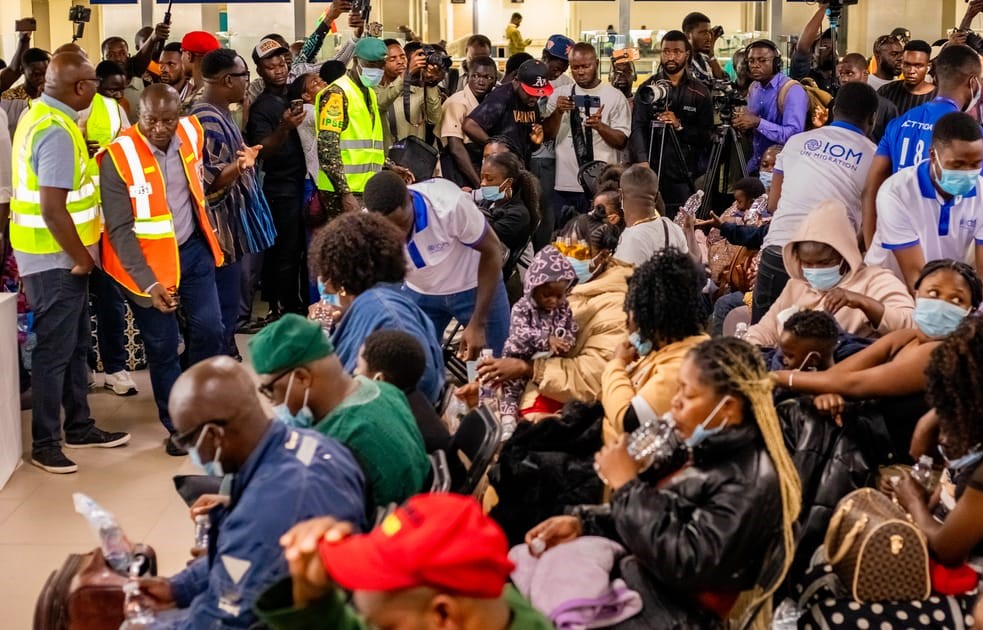
South African immigration authorities have revealed that 290 out of the 300 Ghanaians processed for repatriation were found to be living in the country illegally.
The disclosure was made by Head of Immigration and Law Enforcement at South Africa’s Department of Home Affairs, Stephen van Neel, during interactions with journalists at OR Tambo International Airport ahead of the departure of the first batch of returnees on Wednesday, May 27.
“Of the 300 individuals that were on that list, we only found 10 of them to be legal in the country. We obviously have to make sure that certain sanctions are enforced,” van Neel stated.
According to South African authorities, the repatriation exercise forms part of efforts to assist Ghanaian nationals seeking to return home amid renewed xenophobic tensions and growing concerns over their safety.


Ghana’s High Commissioner to South Africa, Benjamin Quashie, disclosed that more than 800 Ghanaians had registered for voluntary repatriation.
He explained that although many of the returnees had not personally experienced attacks, increasing fear and uncertainty influenced their decision to leave the country.
“The responsibility of any government is towards its citizens,” Mr. Quashie said. “While we have excellent relations with South Africa, we had no option but to ensure that our citizens are safe.”
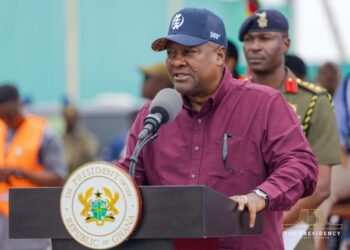
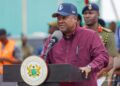
The first batch of evacuees arrived at the Kotoka International Airport in Accra on Wednesday, where government officials led by Chief of Staff Julius Debrah and Foreign Affairs Minister Samuel Okudzeto Ablakwa welcomed them.
Addressing the returnees, Mr. Debrah encouraged them to remain hopeful despite the circumstances surrounding their return.
“Most importantly, we want to encourage our brothers and sisters that once they are back, they should be very optimistic and hopeful about the future. Sometimes God has different ways of opening new doors for us. As a nation, we shall always stand by our people, no matter where you find yourself. Be encouraged, and believe that it shall all end well,” he said.
Government officials also announced support measures for the evacuees, including transportation assistance to various destinations across the country, psychosocial support, reintegration allowances, and opportunities for employment and startup support through a planned national database for returnees.