







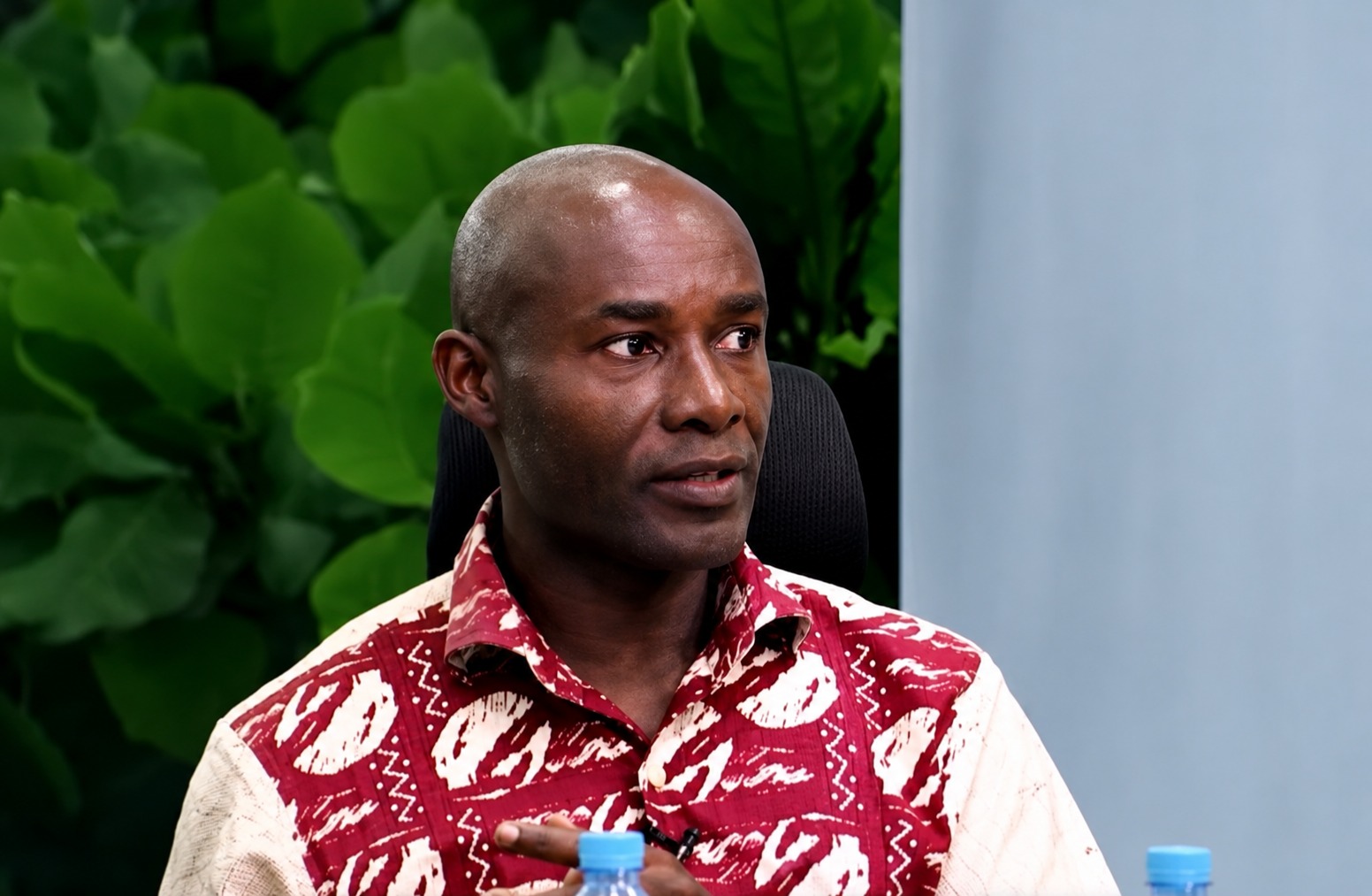
Parliamentary Affairs Analyst, Clement Akorloh, has raised concerns over what he describes as a potentially troubling procedural precedent created by the passage of the Anti-LGBTQ+ Bill, warning that it could affect how Parliament functions in the future.
Speaking in an interview on ABC In The Morning, Mr. Akorloh cautioned that the manner in which decisions are taken in the House, particularly in the absence of the Speaker, could become a source of institutional difficulty going forward.
“What it will do is that, in the future it will be problematic for the House to take decision in the absence of the Speaker,” he said.
He further explained that the development could slow down parliamentary processes, especially when urgent decisions are required.
“Anytime a decision would have to be taken, they would have to wait until the Speaker is in before decisions are taken,” he added.


According to him, the passage of the bill has wider implications beyond its subject matter, arguing that it establishes a procedural precedent that could be challenged in the future if the legislation is eventually enacted.
He warned that the situation “opens Pandora’s box,” suggesting that it could make it easier for citizens or interested parties to legally challenge the law on procedural grounds once it comes into force.
Mr. Akorloh maintained that while the bill itself has generated significant public and political debate, the focus should also be on the parliamentary process that led to its approval, as it may shape future legislative decision-making in the House.