






Rescue operations intensified across Venezuela on Thursday as teams and families searched through collapsed buildings following two powerful earthquakes that killed at least 164 people.
The twin earthquakes, measuring about 7.2 and 7.5 in magnitude, struck within minutes of each other on Wednesday evening, causing widespread destruction in several communities and trapping residents beneath collapsed buildings.
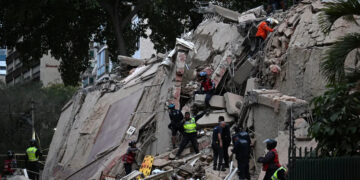
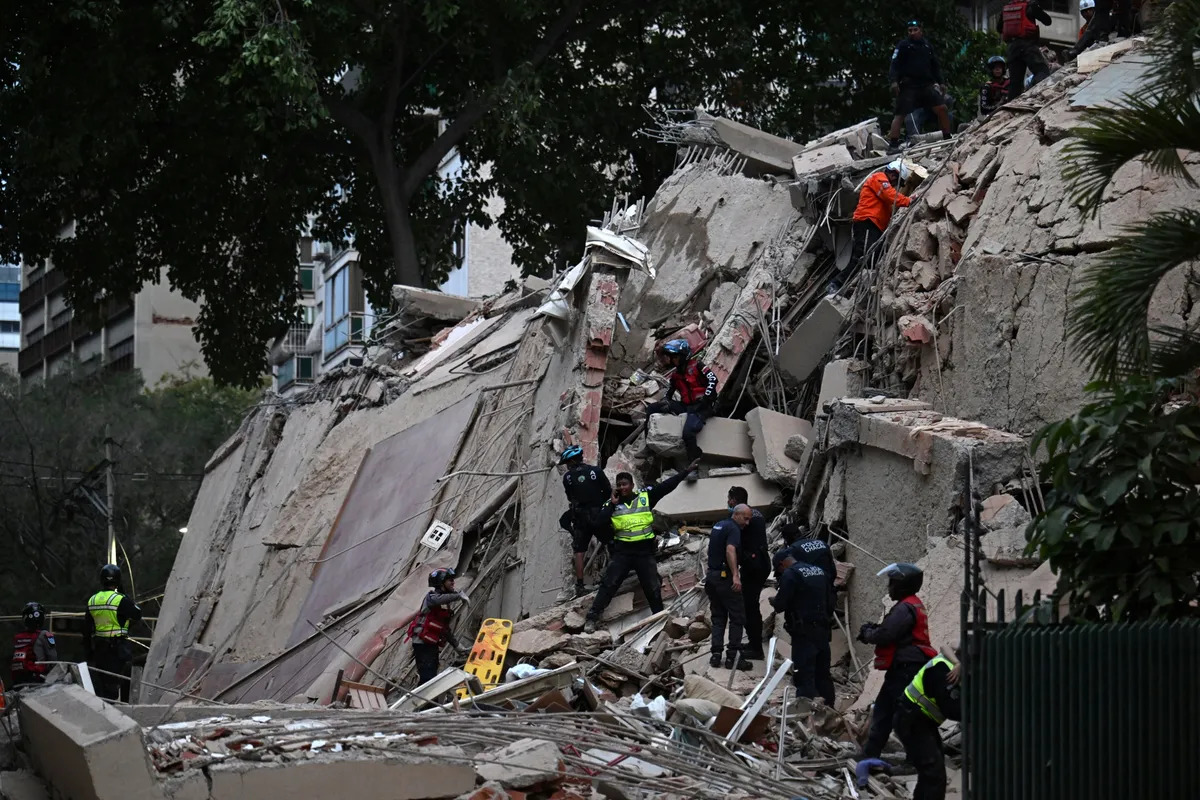
Nearly 1,000 people have been injured, while thousands are reportedly missing across the country. The coastal state of La Guaira, north of Caracas, emerged as the worst-hit area, with rescue workers using heavy machinery, power tools and their bare hands to reach people buried under debris.
Neighbours also joined search efforts as authorities rushed additional emergency teams to the area.
Acting President Delcy Rodríguez described La Guaira as a disaster zone and said rescue operations remained the government’s top priority.
“Dozens of buildings have collapsed there … and we are currently carrying out intensive rescue operations to save lives,” Rodríguez said.
Rodríguez, who gave the latest death toll early Thursday, said authorities were shifting rescue teams from other parts of the country to La Guaira.
Footage on state TV showed three children, covered in dust but alive, pulled from the rubble in La Guaira state, which Rodríguez described as a “disaster zone.”
Video shared online appeared to show dozens of people, some lying on the ground and others on hospital beds, being treated outside a hospital in La Guaira. While Venezuela sits near multiple fault lines, its position straddling the South American and Caribbean plates makes strong earthquakes much less common than in other parts of Latin America.
State television showed rescue personnel pulling several children alive from the rubble, offering a rare moment of hope as families continued searching for missing relatives.
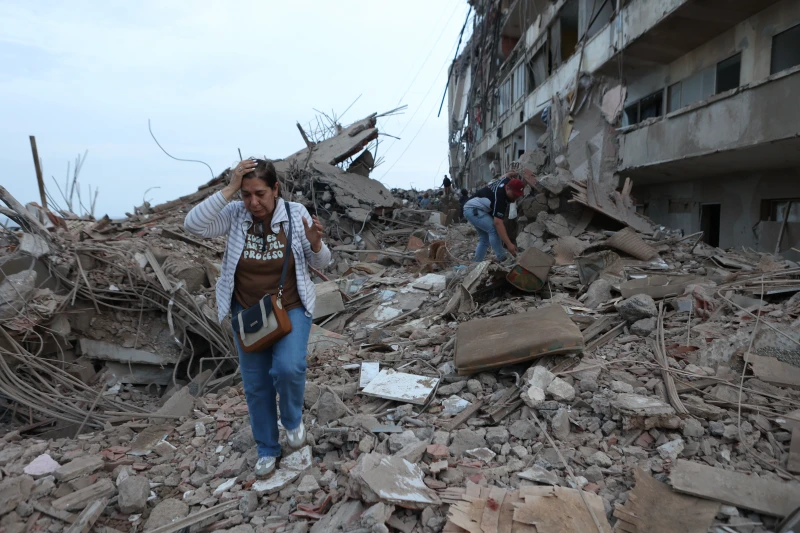
Among those waiting anxiously for news was Dayana Delgado, who said her eight-year-old child had not been found.
“I want to know where my child is, if he’s trapped or in a shelter,” she said.
Many residents complained that neighbours were carrying out much of the early rescue work themselves while waiting for heavy equipment to arrive.
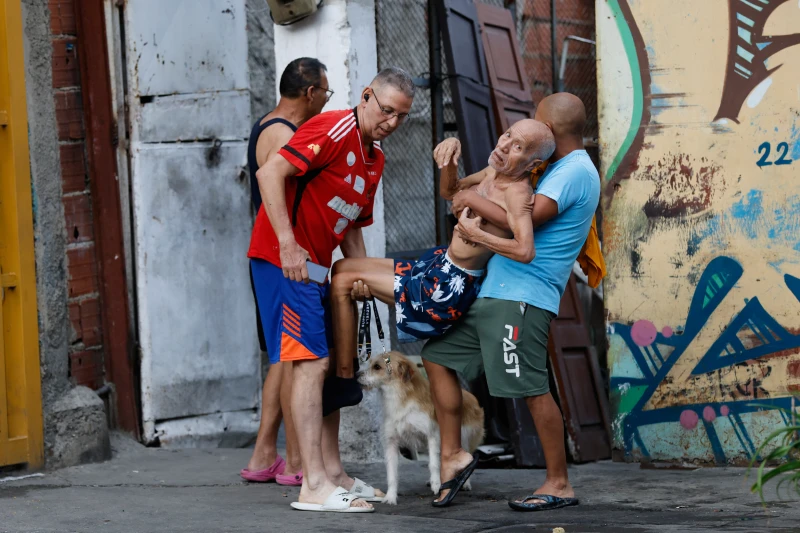
Cristian Carreño stood outside his damaged apartment building in La Guaira as emergency crews searched nearby ruins.
“I lost everything. Everything,” he said. “There are people still inside, I imagine, that couldn’t get out. It’s incredibly devastating.”
Across Caracas, thousands of residents spent the night in parks, parking lots and open spaces after fleeing their homes during the earthquakes. Authorities warned residents not to return to buildings that may have suffered structural damage because of continuing aftershocks.
María Cristina Díaz, who spent the night outdoors with her family, described the fear that gripped the capital.
“We were afraid the buildings would collapse on us,” she said. “My mother, my daughter and I were cold. We didn’t sleep a wink; but I didn’t want to spend the night alone at home after that terrible earthquake.”
“It was awful. We cried, we screamed. Thankfully, we’re alive,” she added.
The earthquakes disrupted power and communication services in several areas, making it difficult for families to contact loved ones. Missing-person notices quickly spread on social media and in affected communities as people searched for relatives.
The country’s main airport in Caracas was closed after sustaining damage, while subway services were suspended and schools were shut down. Some educational facilities are expected to serve as temporary shelters and relief centres.
According to the U.S. Geological Survey, the first earthquake struck near the coastal city of Morón at a depth of 22 kilometres. A second, stronger earthquake followed roughly one minute later at a shallower depth, intensifying the destruction.
Interior Minister Diosdado Cabello urged residents to remain outdoors where possible, warning that aftershocks could cause further building collapses.
International assistance has begun arriving, with several countries offering humanitarian support, rescue personnel and medical aid. The United States also announced plans to deploy search-and-rescue teams and emergency assistance.
U.S. Secretary of State Marco Rubio said Washington was preparing a major relief response despite logistical challenges caused by damage to Venezuela’s airport infrastructure.
“We will have a whole government response,” Rubio said. “It will be big. It will be fast. It will be effective.”


As rescue efforts continue, thousands of Venezuelans remain uncertain about the fate of missing relatives, with emergency workers racing against time to locate survivors beneath the rubble.