






British Prime Minister Keir Starmer has announced his resignation after mounting pressure from within the governing Labour Party, bringing an end to a premiership that began with a historic election victory but gradually became overshadowed by declining public support and growing concerns over the government’s direction.
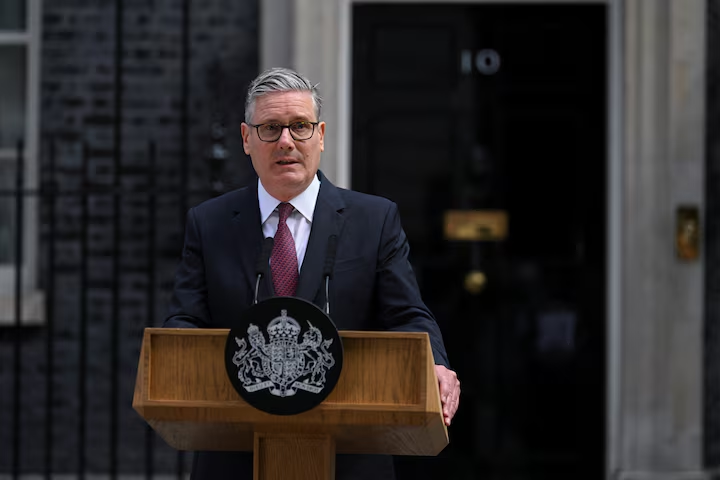
Speaking outside 10 Downing Street on Monday, Starmer said he would facilitate an orderly transition of power and allow the Labour Party to select a new leader ahead of the next general election.
“The question my party is asking now is whether I am best placed to lead us into the next general election,” Starmer said during an emotional address.
“I have heard the answer from my parliamentary party to that question and I accept that answer with good grace.”
The 63-year-old leader became prime minister after leading Labour to a landslide victory in the 2024 general election, ending 14 years of Conservative rule and securing one of the party’s largest parliamentary majorities in modern British history.
However, despite the electoral success, Starmer’s government struggled to maintain public confidence as it faced economic challenges, pressure over immigration, concerns about public services, and criticism over several policy reversals.
Party members and lawmakers increasingly questioned the government’s direction, with some arguing that the administration lacked a clear long-term vision for the country. Several senior figures within Labour reportedly urged the prime minister to step aside to avoid a divisive leadership contest.
Starmer had initially vowed to remain in office despite disappointing local election results earlier this year. Reports indicate that discussions with family members, including his wife Victoria, influenced his decision to eventually step down.
Attention has now turned to the party’s succession process, with former Greater Manchester mayor Andy Burnham widely viewed as a leading contender to succeed him.
Some Labour lawmakers expressed concern that the party needed new leadership to confront the growing influence of the Reform Party led by Nigel Farage.
“I would do anything to stop Farage,” Labour lawmaker Catherine West said during calls for a change in leadership.
Starmer entered Parliament in 2015 and became Labour leader five years later following the party’s worst election defeat since 1935. Drawing on his experience as Director of Public Prosecutions, he sought to rebuild Labour’s image, address internal divisions and restore the party’s electoral prospects.


His leadership helped return Labour to power, although political analysts noted that the party’s victory was aided by divisions within the Conservative Party and tactical voting.
Political analyst John Curtice described the 2024 election result by saying: “All in all this looks more like an election the Conservatives lost than one Labour won.”
During his time in office, Starmer’s government introduced measures aimed at improving workers’ rights, reducing health service waiting times and supporting economic stability. However, critics argued that progress in areas such as economic growth, migration and public services fell short of expectations.
His administration also faced controversies over appointments and internal disagreements, leading to several departures among senior advisers and ministers.
On foreign policy, Starmer received praise from some European leaders for his support for Ukraine and his involvement in diplomatic initiatives alongside European allies. He also maintained relations with U.S. President Donald Trump, although their relationship later became strained over foreign policy differences.
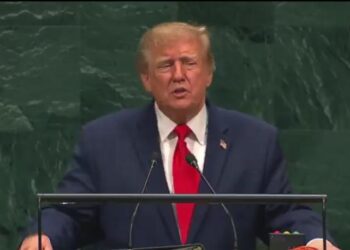
Trump commented on Starmer’s resignation on social media, writing: “Keir Starmer will resign as Prime Minister of The United Kingdom. He failed badly on two very important subjects- IMMIGRATION AND ENERGY (OPEN NORTH SEA OIL!). I wish him well!”
Starmer leaves office at a time when Britain’s political landscape is undergoing significant change, with smaller parties gaining support and the traditional dominance of Labour and the Conservatives increasingly being challenged.
As Labour prepares to choose a new leader, the party faces the task of rebuilding public confidence while preparing for the next general election expected in 2029.