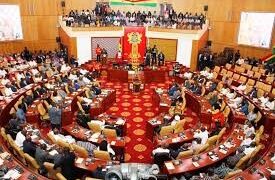







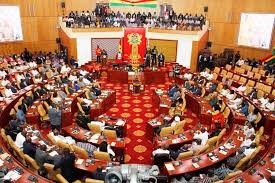
The Parliament of Ghana will resume sitting today, Thursday, May 21, ushering in the Second Meeting of the Second Session of the Ninth Parliament of the Fourth Republic, with lawmakers set to deliberate on a wide-ranging legislative agenda covering key sectors of the economy and governance.
The new session is expected to focus heavily on reforms in energy, transport, justice, and national security, with Majority Chief Whip Rockson-Nelson Dafeamekpor outlining several priority bills and policy proposals before the House.
In the transport sector, Parliament will consider the Maritime and Related Offences Bill, following the submission of a committee report. Lawmakers are also expected to review amendments to road traffic regulations, alongside a series of bilateral air services agreements involving Luxembourg, Qatar, Saudi Arabia, and the United Arab Emirates.
Energy sector reforms are also expected to dominate discussions. Key proposals on the agenda include a review of the legal framework governing the National Petroleum Authority, plans to open up electricity distribution to greater private-sector participation, and the establishment of new institutions such as a Nuclear Power Corporation and a Renewable Energy Authority. The proposed agencies are intended to streamline energy governance and accelerate the country’s transition toward diversified and sustainable power sources, including solar and wind energy development.


On justice and national security, the Ministry of the Interior is expected to present a Community Service Bill aimed at introducing non-custodial sentencing for minor offences as part of efforts to reduce congestion in correctional facilities. Parliament will also examine proposed amendments to the National Identity Register law, parole regulations, and new measures designed to improve coordination among security agencies.
Additionally, legislators are expected to consider a proposed Code of Conduct Bill focusing on asset declaration and ethical standards in public office. A consolidation of amendments to CI 47, which governs High Court civil procedures, is also anticipated to be tabled for consideration.
The packed legislative programme signals what is expected to be a busy sitting, with government and lawmakers aiming to advance structural reforms across key sectors of national development.