






The Auditor-General has recommended the recovery of approximately GHC 579 million from three former top officials involved in the organisation of the 13th African Games held in Ghana, following a forensic audit that uncovered extensive financial irregularities across multiple contracts.
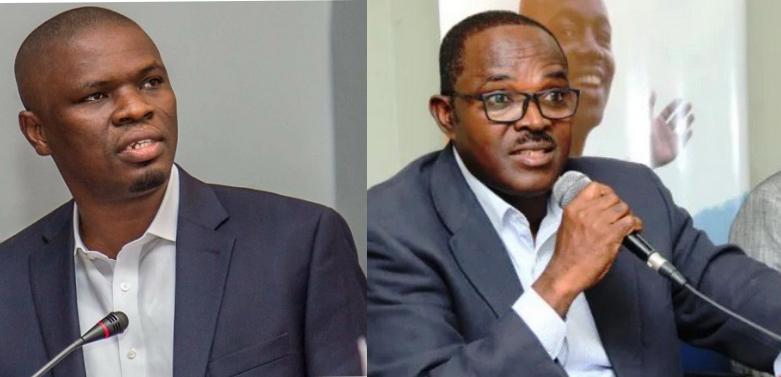
The officials cited in the audit include former Minister of Youth and Sports Mustapha Ussif, former Chief Director William Kartey, and former Chairman of the Local Organising Committee (LOC), Dr. Kwaku Ofosu-Asare. The report also references the Director-General of the Ghana Broadcasting Corporation, Prof. Amin Alhassan, in connection with a broadcast-related training contract.
Although the Auditor-General did not make criminal findings, it has recommended that the individuals involved be held financially accountable for what it describes as unjustified expenditure, overpricing, undelivered goods, and contract breaches linked to the Games.
The forensic audit, commissioned under President Mahama’s administration, examined spending across catering, accommodation, transport, procurement, infrastructure, and administrative operations tied to Ghana’s hosting of the continental multi-sport event.
In total, auditors have recommended the recovery of GHC 579,114,352.24, alongside $44,354,881.77 and €629,070, citing widespread cost inflation and contractual variances across key expenditure areas.
Key areas flagged in the audit
One of the major concerns raised involves catering contracts, where auditors identified $2.83 million and GHC 33.9 million in non-feeding costs. These included transport, utilities, staffing, infrastructure, and administrative expenses that were reportedly unsupported by proper documentation.
In the area of anti-doping, the audit found overpricing amounting to €572,040 and GHC 8.01 million, with costs significantly exceeding World Anti-Doping Agency (WADA) benchmark laboratory rates.
Accommodation arrangements also came under scrutiny, with hotel room charges reportedly set at $150 per night, compared to prevailing market rates of between $50 and $70. This resulted in an estimated inflated cost of $840,000 and GHC 10.08 million.
Sports equipment procurement was similarly flagged, with overpricing of $322,697 and GHC 3.87 million recorded across boxing, triathlon, hockey, and arm wrestling supplies.
Transport and logistics contracts were identified as another major area of concern, with auditors highlighting multiple layers of irregular expenditure. These include GHC 2.00 million for branding and de-branding vehicles, GHC 13.12 million in vehicle hire overpricing, GHC 2.20 million in over-invoicing adjustments, and GHC 239,520 in excess rental charges. The report links these issues largely to JDK Travel & Tours contracts.


Further irregularities were identified in equipment procurement, where $374,462 and GHC 4.49 million were paid for items that were either not delivered or lacked proper specifications.
The audit also flagged GHC 15.09 million in payments deemed unrelated to the African Games, including disbursements linked to Black Stars technical activities and other non-Games expenditures.
Infrastructure and major contracts under scrutiny
Significant concerns were also raised over infrastructure projects, with defects identified at key venues including the Aquatic Centre and Legon Stadium. The audit estimates at least GHC 12 million will be required for remedial works.
The most substantial irregularities were found in Engineering, Procurement, and Construction (EPC) contracts involving major facilities such as the Borteyman Sports Complex, University of Ghana Stadium, and Legon Sports Village. These contracts alone account for approximately $38.99 million and GHC 467.89 million in questioned expenditure, attributed to unjustified variations, inflated claims, and deviations from contractual terms.
Additionally, three single-source infrastructure contracts were found to be overpriced due to the absence of proper price-reasonableness assessments, amounting to GHC 5.40 million.
Overall financial picture
The report paints a picture of systemic cost inflation and financial irregularities spanning nearly every major component of the Games, raising serious accountability questions over one of Ghana’s largest sporting events in recent years.