






The United States has heightened its security posture in West Africa, issuing new travel advisories for Nigeria and São Tomé and Príncipe amid growing concerns over instability and threats to civilian safety.
In an updated advisory released on Wednesday, April 8, the U.S. State Department urged its citizens to “reconsider travel to the country,” citing risks including “terrorism, civil unrest [and] kidnapping.” While Nigeria remains under a general Level 3 advisory, several states have now been elevated to Level 4 — the most severe classification — with officials warning: “Do not travel to these areas for any reason.”
The advisory noted that “the security situation in these states is unstable and uncertain,” adding that attacks could occur “with little or no warning in public spaces including markets, hotels, places of worship, schools and transport hubs.”
Expanding High-Risk Zones
Washington has placed a significant number of Nigerian states under its highest risk category, including newly listed areas such as Plateau, Jigawa, Kwara, Niger and Taraba. These join long-affected regions like Borno and Yobe, where insurgent activity remains persistent.
Authorities also highlighted the prevalence of abductions, stating that “kidnappings for ransom occur frequently,” and warning that “dual U.S.-Nigerian nationals and Americans” are often targeted because they are “perceived to be wealthy.”
Embassy Drawdown Signals Concern
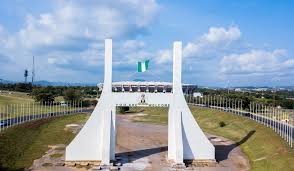
In a move underscoring the severity of the situation, the U.S. government has authorised the departure of non-emergency personnel and their families from its embassy in Abuja. The decision follows what officials describe as a “deteriorating security situation” nationwide.
Although no timeline has been provided for the relocation, the move signals growing concern within Washington over conditions on the ground.


Security Ties Tested by Rising Violence
The warnings come despite longstanding security cooperation between the United States and Nigeria. The partnership has focused on “counter-terrorism, maritime security, intelligence sharing and military training,” with recent efforts including surveillance support and deployment of U.S.-supplied aircraft in operations against insurgents.
However, violence continues to escalate in several regions. In the northeast, Boko Haram and its offshoot, Islamic State West Africa Province, have sustained attacks on civilians and security forces, particularly in Borno State.
Elsewhere, states such as Plateau and Benue have experienced renewed violence linked to armed banditry, communal clashes and reprisals. Recent incidents, including an attack in Plateau that left more than 28 people dead, have heightened tensions.
Concerns Spread Beyond Nigeria
The State Department also raised its advisory level for São Tomé and Príncipe to Level 3, urging travellers to reconsider visits to the island nation.
Officials warned that the country’s security environment “could worsen with little notice” as it enters a politically sensitive period marked by party conventions, a presidential election in July, and legislative polls later in the year. These developments could spark unrest capable of disrupting travel and limiting departure options.
Limited Emergency and Health Support
A key concern in both advisories is the limited capacity to respond to emergencies. In São Tomé and Príncipe, medical infrastructure is described as “extremely limited, with no adequate trauma or ambulance services.”
In Nigeria, healthcare services are also said to be “inconsistent,” with essential medications sometimes unavailable. As a result, U.S. government personnel must now obtain special approval before travelling to São Tomé and Príncipe.
Economic and Diplomatic Implications
The travel warnings come at a delicate time for Nigeria, which is seeking to attract foreign investment and revive economic growth. Analysts warn that such advisories could discourage diaspora travel, international events and development initiatives.
Some officials have previously argued that broad advisories risk overstating insecurity in relatively stable areas, potentially harming the country’s global image.
Guidance for Travellers
The U.S. State Department is urging citizens to “carefully assess risks before travelling,” advising them to monitor local developments, avoid demonstrations, and keep travel documents readily accessible.
Travellers are also encouraged to enrol in the Smart Traveller Enrollment Program (STEP) to receive updates and facilitate contact with U.S. officials during emergencies.
Mixed Reactions on the Ground
Reactions to the advisory remain mixed. A U.S. national working with an oil company in Lagos said many expatriates believe they are “largely shielded from the safety risks in other states,” though concerns remain about how companies may respond to the warnings.
For many Nigerians, however, the advisory underscores the urgency of addressing insecurity and restoring confidence both domestically and internationally.