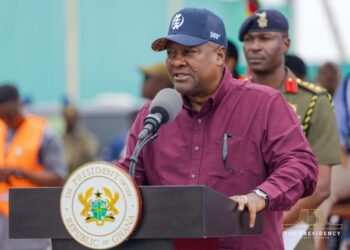







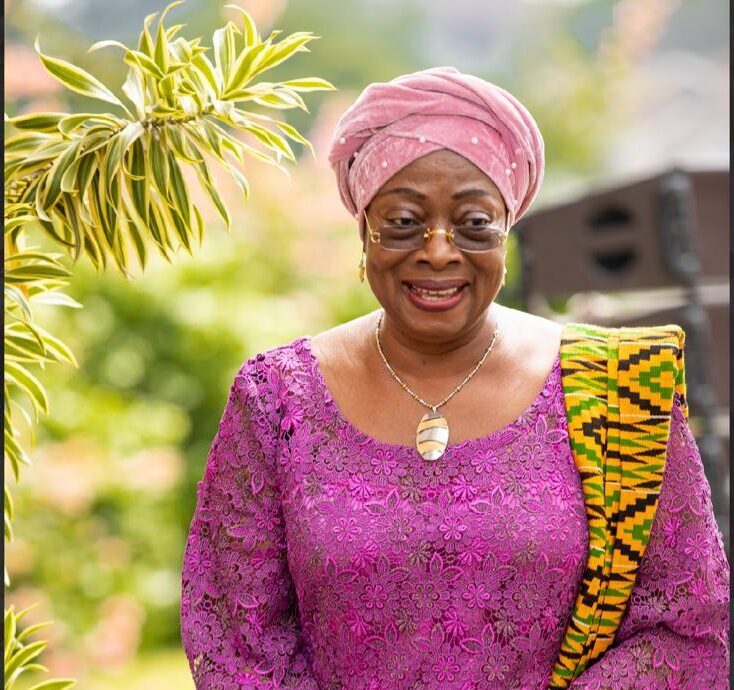
AKROPONG-AKUAPEM — In the cool hills of Okuapemman, where tradition is not merely observed but fiercely guarded, a royal storm is gathering strength. At the center of it stands a woman whose name already carries immense weight across Ghana and Africa: former Chief Justice Her Ladyship Sophia Akuffo.
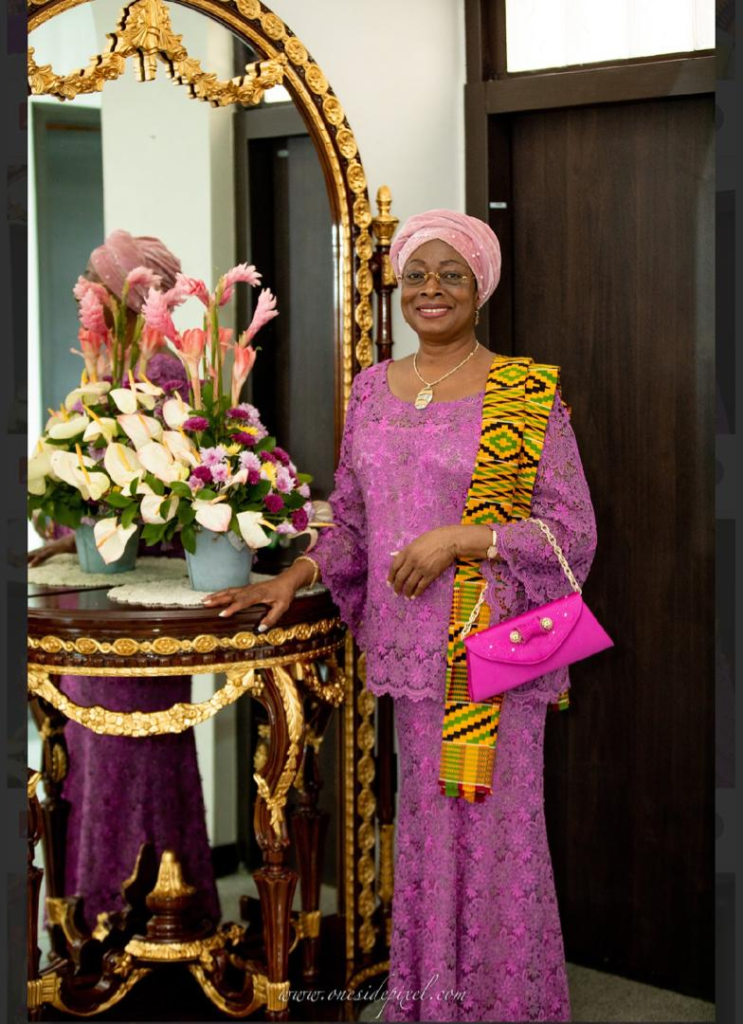
But this is no courtroom drama.
It is a battle of stools, custom, legitimacy, and power.
What was expected to be a historic and symbolic enstoolment of Justice Sophia Akuffo as the Mmrahene (Legal Chief) of Okuapemman has instead exploded into one of the most riveting traditional confrontations in recent memory, after the suspended Queen Mother of Akuapemman, Nana Afua Nketia Obuo II, publicly attempted to reject the process.
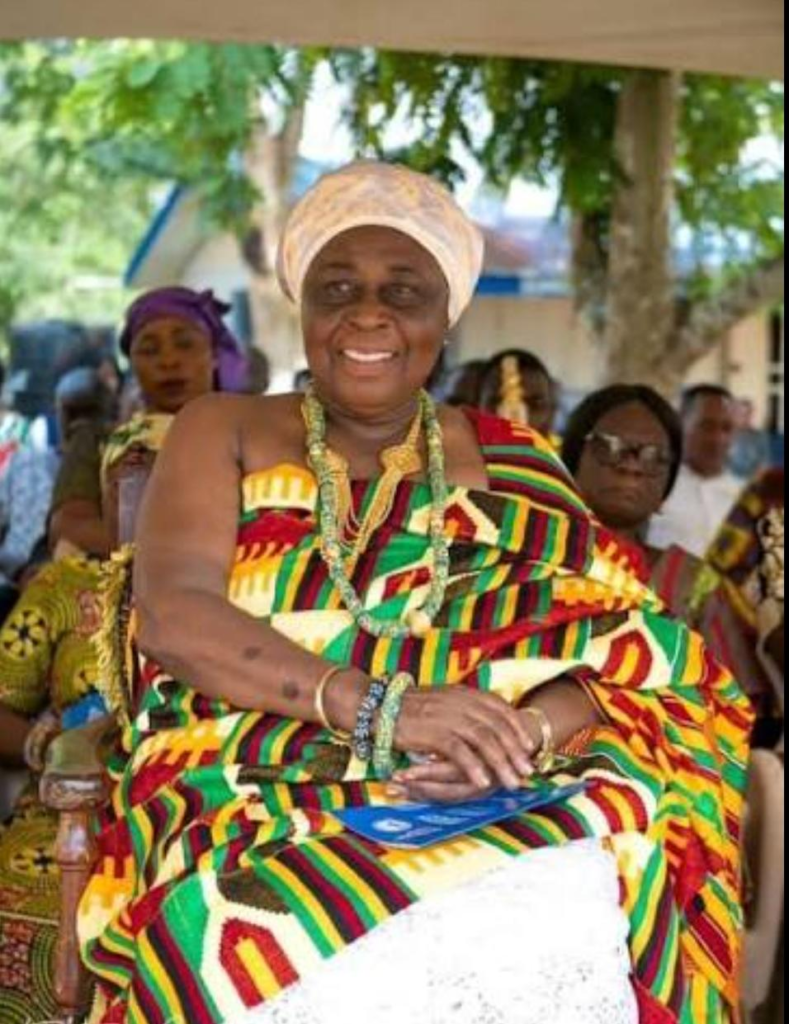
Yet behind the spectacle and public declarations lies a deeper reality emerging from palace corridors, traditional legal doctrine, and the hierarchy of Akuapem custom: the Queen Mother’s challenge appears to carry little customary or legal force.
And insiders say the process is already far beyond her reach.
A Throne, A Suspension, And A Collision Course
The controversy pivots on one explosive fact — Nana Afua Nketia Obuo II is currently under suspension by the Akuapem Traditional Council, the highest traditional decision-making body in the area chaired by the Okuapemhene himself, Oseadeeyo Kwasi Akuffo III.
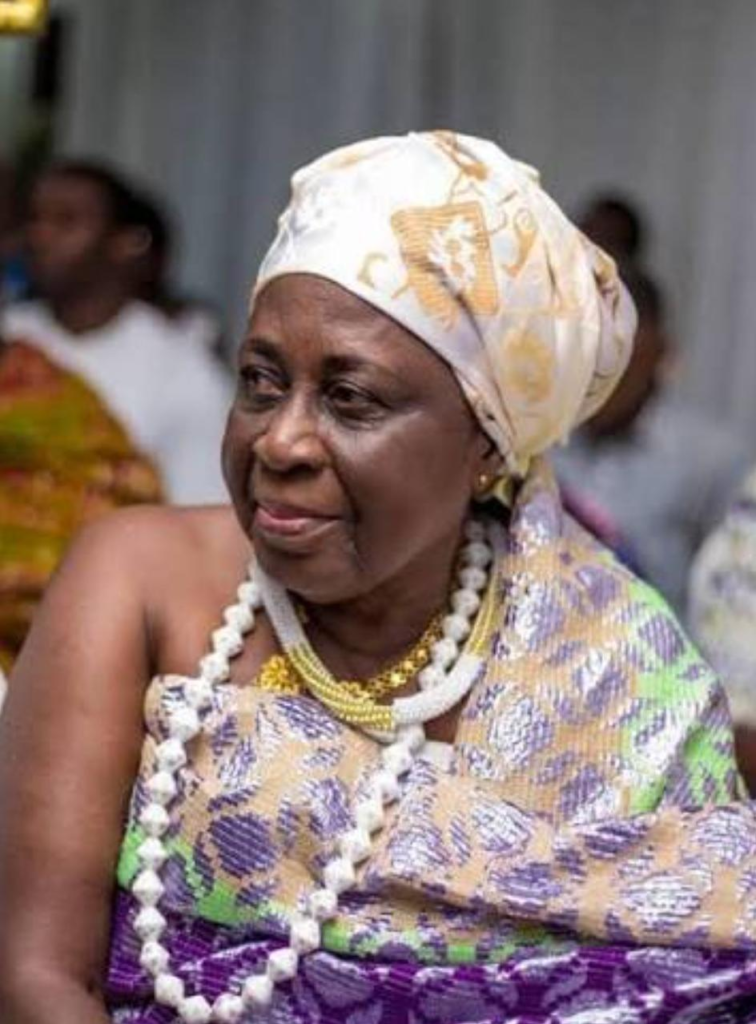
Within Akan chieftaincy systems, suspension is no ceremonial reprimand.
It strips an occupant of active authority.
Senior traditional authorities familiar with the structure of Akuapem governance insist that once suspended, a queen mother loses the customary standing to interfere in official stool affairs or openly challenge the paramount authority of the Okuapemhene.
And that changes everything.
As a gazetted and state-recognized overlord under Ghana’s chieftaincy framework, Oseadeeyo Kwasi Akuffo III retains full authority to recruit, appoint, and install individuals deemed capable of advancing the traditional area.
“This is not simply about opinion or protest,” one senior palace insider disclosed quietly. “Custom operates on hierarchy and legitimacy. Once suspension takes effect, certain powers cease immediately.”
That reality has left many observers viewing the public resistance less as a legal obstacle and more as a symbolic last stand.
The Customary Argument That Changes The Entire Debate
Beyond the suspension itself lies an even more consequential issue — who truly holds the power to nominate and validate a traditional title occupant under Akuapem custom?
According to senior custodians of Akuapem tradition, widespread public assumptions about the authority of a queen mother are fundamentally mistaken.
The Queen Mother, they explain, does not independently nominate candidates.
That sacred responsibility rests with the Abrewatia — the senior matriarch — acting in consultation with the Abusuapayin, the family head.
Only after those processes are complete does the Queen Mother formally announce the nominee.
Nothing more.
Nothing less.


“She cannot veto or overturn a family decision already ratified through custom,” a palace source familiar with the process emphasized. “To attempt that is itself a departure from the very tradition being invoked.”
That interpretation appears central to why senior kingmakers and palace elders remain largely unmoved by the current public dispute.
In their eyes, the customary machinery has already turned.
And it cannot now be reversed by public declaration.
The Royal Families Break Their Silence
If there were doubts about where the royal bloodline stands, they were shattered this week.
For the first time since tensions surfaced, both the maternal and paternal heads connected to Justice Sophia Akuffo publicly closed ranks behind her enstoolment in a rare and forceful show of unity.
Leading the endorsement were maternal family head Abusuapayin Asiedu-Ofei and the President of the Akuffo Descendants Fraternity, Akuapem-Tutuhene Nana Appiah Anti IV, representing the paternal line.
Their message carried the unmistakable tone of finality.
“Our Odehye, Her Ladyship Justice Sophia Akuffo, is of perfectly sound mind, robust physical health, and possesses the exceptional and unrivaled tenacity required to commit to this deservingly honorable title,” the families declared jointly.
“As her family, we stand in full, unreserved support of this installation, and we say: let peace reign in Okuapemman.”
It was not merely an endorsement.
It was a signal.
A declaration that the bloodline itself has settled the matter.
Why This Installation Matters Beyond Tradition
To many in Okuapemman, this enstoolment is not just ceremonial pageantry.
It is about prestige, influence, intellect, and development.
Justice Sophia Akuffo is no ordinary appointee.
A former Chief Justice of Ghana and former President of the African Court on Human and Peoples’ Rights, her name carries international legal stature few traditional areas could ever claim within their royal structure.
Supporters argue that her installation as Mmrahene represents an attempt to fuse modern intellectual leadership with ancient authority — a strategy Oseadeeyo Kwasi Akuffo III has reportedly pursued for years through the creation of specialized developmental and professional stools.
And that is precisely why some palace watchers are questioning the timing and intensity of the opposition.
Several functional titles introduced under the Okuapemhene’s reign reportedly passed without resistance.
Why this one?
Why now?
For many residents, the answer may lie in what Justice Sophia Akuffo symbolizes: global credibility, institutional discipline, and renewed visibility for Okuapemman on both national and international stages.
The Mood In Okuapemman
Despite the controversy, the prevailing mood within many sections of Akuapem remains one of cautious calm.
Elders are urging restraint.
Palace insiders insist the customary process has already been completed through alignment between the Okuapemhene, the Abrewatia, and the Abusuapayin — the very pillars required under custom.
That alignment, they argue, makes the installation procedurally complete and traditionally secure.
Now, as anticipation builds toward what could become one of the most symbolically powerful enstoolments in recent Akuapem history, many citizens are calling for peace and unity rather than factional conflict.
Because in Okuapemman, tradition may bend under pressure.
But legitimacy, once settled through custom, rarely retreats.
By: Fritz Delanyo Amegashie