






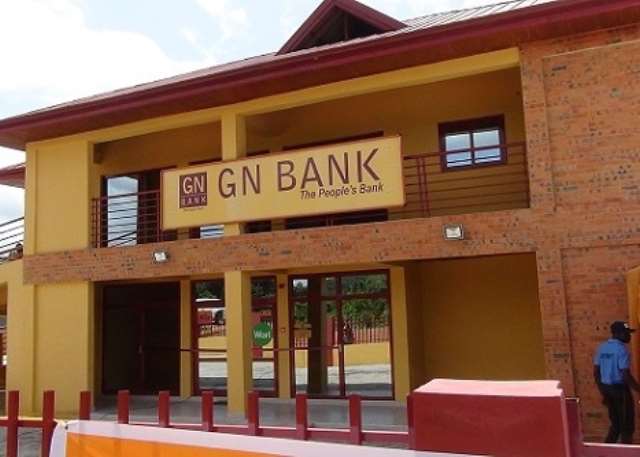
The Court of Appeal has unanimously overturned the Bank of Ghana’s 2019 revocation of the licence of GN Savings and Loans Company Limited, ruling that the decision was unfair and unreasonable and ordering the return of control of the institution to its shareholders.
A three-member panel of the court on Thursday quashed both the central bank’s revocation order and a 2024 High Court decision that had upheld it, effectively restoring the company’s licence and nullifying all legal actions that followed the 2019 regulatory intervention.
The court further directed the Receiver, Eric Nana Nipah, to hand over possession, management, and control of the company’s assets and operations to the shareholders led by Dr Papa Kwesi Nduom of Groupe Nduom.
In effect, the ruling marks a major judicial reversal of the Bank of Ghana’s decision during the financial sector clean-up exercise, which led to the collapse of several financial institutions between 2018 and 2019.
What the Court Decided
The appellate court found that the Bank of Ghana’s action did not meet the threshold of fairness and reasonableness required under law. It therefore set aside the August 2019 revocation of the licence and the January 2024 ruling of the Accra High Court which had validated the regulator’s action.


The decision means that, on paper, GN Savings and Loans Company Limited is once again a licensed financial institution. However, the court order does not automatically restore operational capacity, as regulatory clearance and recapitalisation would still be required before any resumption of full banking activity.
Background to the Collapse
GN Bank was initially downgraded on January 4, 2019, when the Bank of Ghana reclassified it as GN Savings and Loans Company Limited due to alleged breaches of prudential requirements, including capital shortfalls and governance concerns.
Seven months later, on August 16, 2019, the Bank of Ghana, then under Governor Ernest Addison, revoked its licence entirely as part of the broader financial sector clean-up spearheaded during the tenure of former Finance Minister Ken Ofori-Atta. The regulator appointed a Receiver to take over operations.
The Bank of Ghana maintained that GN had a negative capital adequacy position, weak liquidity, and significant regulatory breaches, including alleged related-party exposures and unverified transfers of depositor funds.
GN’s Defence and Legal Battle
Groupe Nduom consistently rejected the regulator’s findings, arguing that the institution remained solvent and that the revocation ignored outstanding government-related receivables that could have supported liquidity.
The shareholders also alleged unfair treatment and argued that the decision violated their rights.
The legal battle began in August 2019 at the Human Rights Division of the Accra High Court. After years of procedural disputes, including an arbitration detour later overturned by the Supreme Court in 2023, the High Court in January 2024 dismissed GN’s case and upheld the revocation.
That ruling was appealed, leading to Thursday’s landmark decision by the Court of Appeal.
Regulator’s Position and Sector Clean-Up Context
The Bank of Ghana has long defended the clean-up exercise, which saw multiple banks and non-bank financial institutions collapsed to stabilise the financial sector.
Under the current Governor, Johnson Asiama, the regulator has maintained that only institutions that meet strict licensing requirements will be allowed to operate.
The central bank has not yet publicly responded to the Court of Appeal ruling and is expected to consider further legal options, including a possible appeal to the Supreme Court or an application for a stay of execution.
What Happens Next
While the ruling restores the licence of GN Savings and Loans Company Limited, significant regulatory and operational hurdles remain before any resumption of banking activity.
The Receiver is expected to begin the process of handing over assets and control to shareholders, but the Bank of Ghana’s next steps will be critical in determining whether the institution can actually return to full operation.
The judgment is also likely to have wider implications, as it represents the first appellate ruling to overturn a major revocation from the financial sector clean-up era, potentially influencing other pending disputes involving collapsed financial institutions.
For now, the ruling marks a major legal victory for Groupe Nduom and a significant development in Ghana’s ongoing debate over the legacy of the financial sector reforms.