The Minority in Parliament has intensified pressure on the government over delays in operationalising several major hospital projects in the Ashanti Region, arguing that nearly completed facilities worth millions of cedis are being left idle while existing hospitals struggle to cope with rising patient numbers.
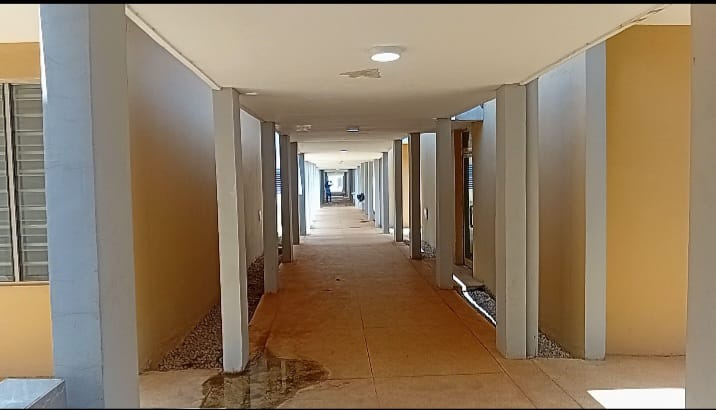
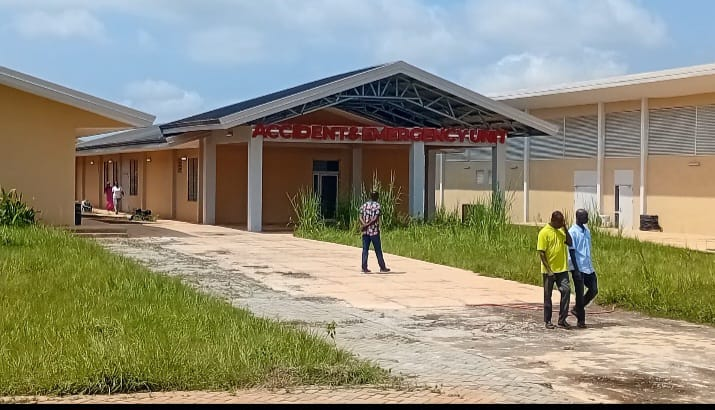
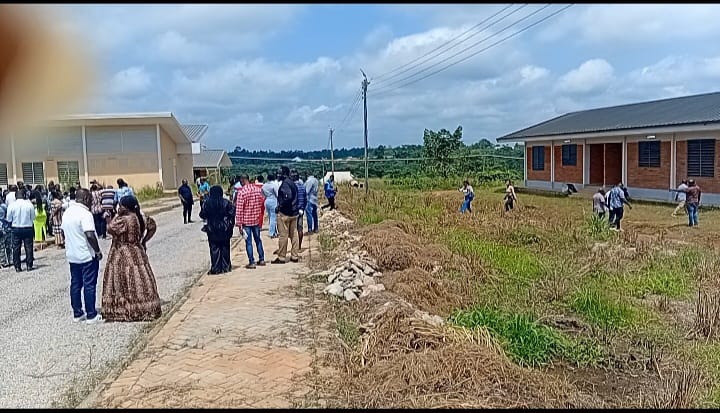
The renewed calls followed an inspection tour by members of Parliament’s Minority Caucus on Wednesday, June 10, to assess the state of three major health infrastructure projects—the 500-bed Afari Military Hospital, the 100-bed Atwima Kwanwoma Municipal Hospital at Trede, and the 250-bed Ashanti Regional Hospital at Sewua, which they say are nearing completion but remain closed to the public.
The lawmakers said the facilities, which are at various advanced stages of completion, remain unused while major referral centres such as the Komfo Anokye Teaching Hospital (KATH) continue to grapple with congestion and mounting healthcare demands.
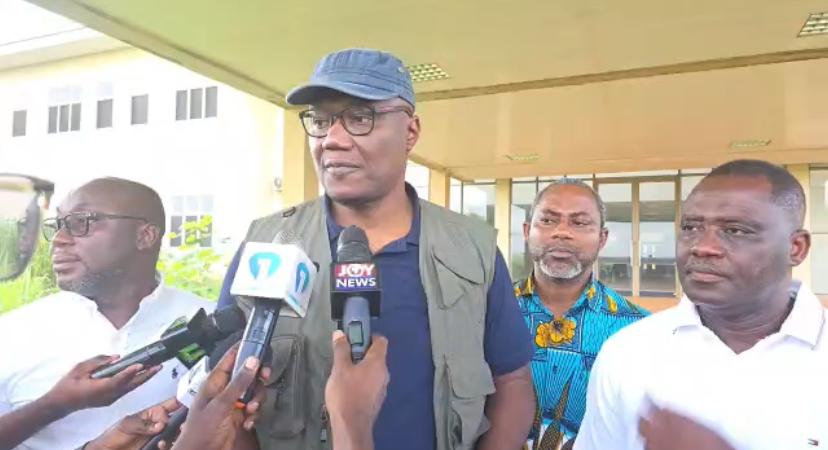
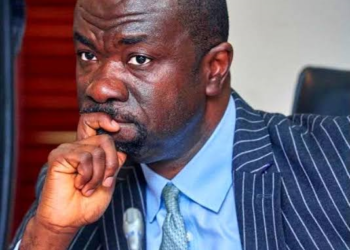
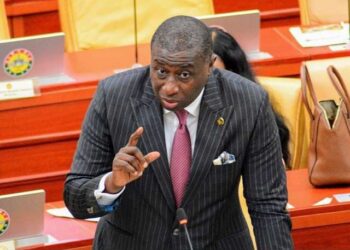
Led by the Ranking Member on Parliament’s Health Committee and Member of Parliament for Effiduase-Asokore, Dr. Nana Ayew Afriyie, the delegation described the situation as unacceptable and called for urgent government intervention.
The visit formed part of what the Minority described as a nationwide effort to draw attention to stalled and abandoned health infrastructure projects and advocate for their completion.
Speaking at the Afari Military Hospital, Dr. Ayew Afriyie stated that the facility is approximately 85 to 90 percent complete and requires relatively limited additional funding to become operational.
According to him, opening the hospital would significantly reduce pressure on existing healthcare institutions, particularly KATH, which recently experienced operational challenges following industrial action by doctors and nurses.
The Minority’s concerns come against the backdrop of recent disruptions at KATH, where doctors and nurses embarked on strike action following the suspension of the hospital’s Chief Executive Officer, Dr. Paa Kwesi Baidoo. The strike was eventually suspended after intervention by key stakeholders, including the Asantehene, Otumfuo Osei Tutu II.
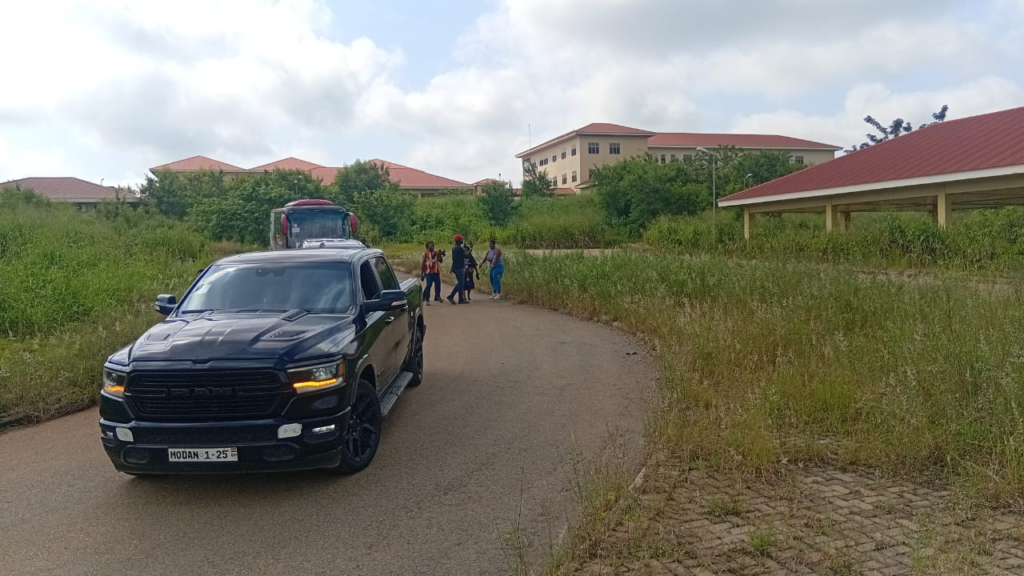
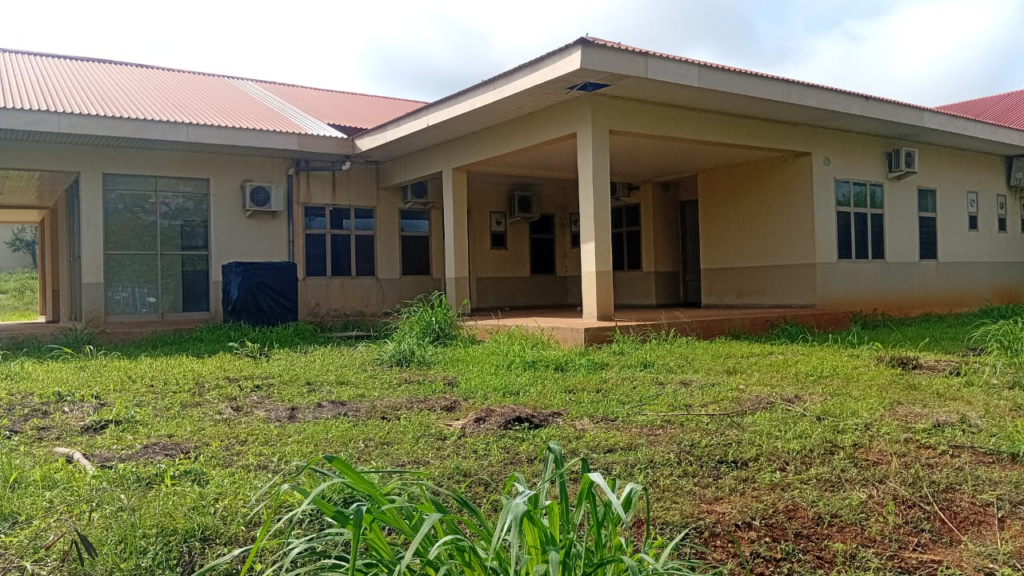
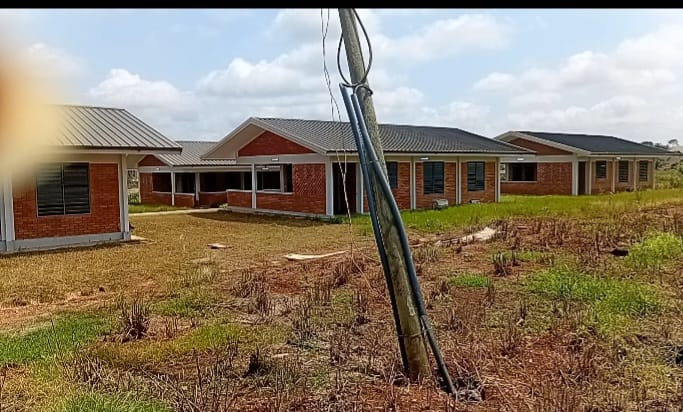
During the inspection, the lawmakers expressed concern about what they described as signs of deterioration at the Afari facility. They pointed to overgrown sections of the hospital grounds and stacks of cement bags which they claimed had deteriorated after being left exposed for extended periods.
According to the MPs, such developments underscore the financial and operational costs associated with prolonged delays.
Addressing the media, Dr. Ayew Afriyie questioned the government’s spending priorities and argued that the resources needed to complete the facility are relatively modest when compared to other national development initiatives.
“The entire Agenda 111 hospital project will require only about GH¢17 billion, which is roughly $1.5 billion. If the government wants to complete it, it can do so,” he stated.
He further disclosed that approximately GH¢200 million would be required to fully complete and commission the Afari Military Hospital.
“You are spending billions on the Big Push programme, yet you cannot make available just about GH¢50 million for the contractor to complete this project and then pay the balance over the next four years. I believe the contractor would agree to that arrangement,” he said.
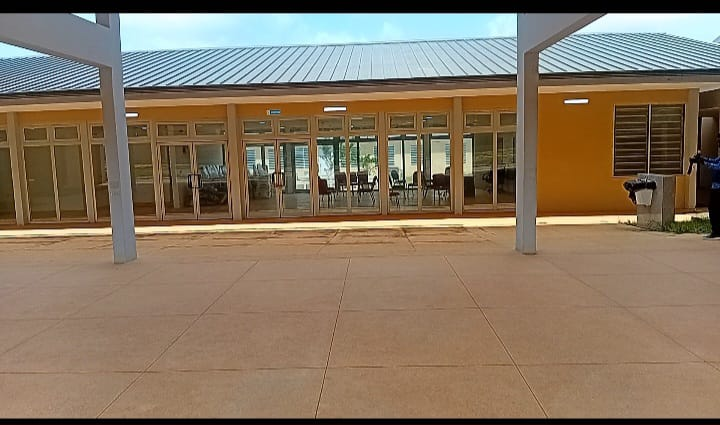
At the Atwima Kwanwoma Municipal Hospital in Trede, the delegation described the facility as roughly 95 percent complete but still unavailable to residents despite the installation of medical equipment and infrastructure.
The MPs argued that the prolonged delay in opening the hospital was depriving surrounding communities of much-needed healthcare services.
The delegation later proceeded to the Ashanti Regional Hospital at Sewua, a 250-bed facility expected to serve as a major referral centre and strengthen specialist healthcare delivery in the region once fully operational.
The inspection tour, however, was briefly interrupted at the Afari Military Hospital following a confrontation involving military personnel and members of the delegation over access to the facility.
Officials reportedly questioned the authority of the MPs and accompanying media personnel to enter the premises. The situation escalated when a security officer allegedly became emotional after facing threats of disciplinary action for granting access. The disagreement was later resolved, allowing the inspection to continue.
Despite the tensions, the Minority maintained that their concerns transcend partisan politics and reflect the urgent healthcare needs of residents.
“Please, we are using this platform to appeal to the government. This is not about politics. We are simply doing our job. The reality is that people want these abandoned hospitals to be completed and opened for use,” Dr. Ayew Afriyie stressed.
The Minority has consequently called on the government to urgently release funds to complete and operationalise the facilities, arguing that their commissioning would ease pressure on existing hospitals, improve access to quality healthcare and ensure value for the substantial public investment already made in the projects.