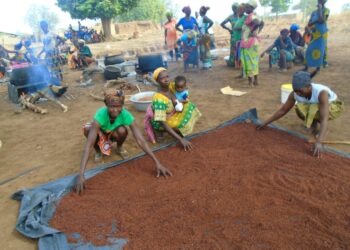







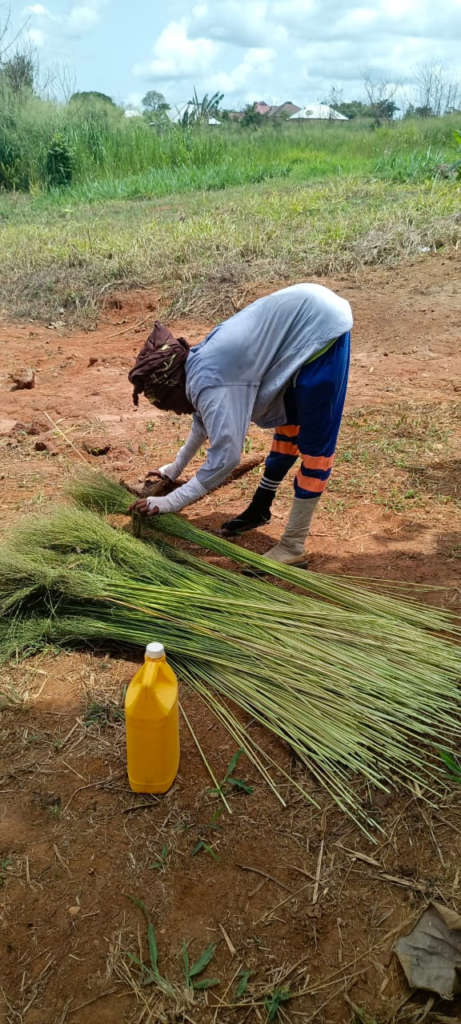
In the early hours of the morning, long before the sun rises to its full strength, groups of women set out on demanding journeys across vast stretches of land in search of a vital resource: straw canes.
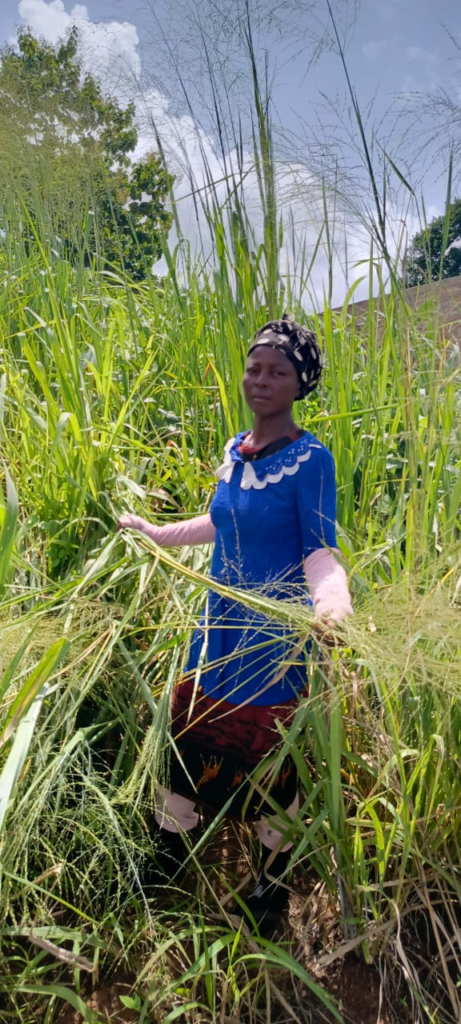
Their destination is not always nearby. For many, it lies miles away in scattered locations around Duayaw Nkwanta, where the raw material for Ghana’s renowned Bolga baskets can be found.
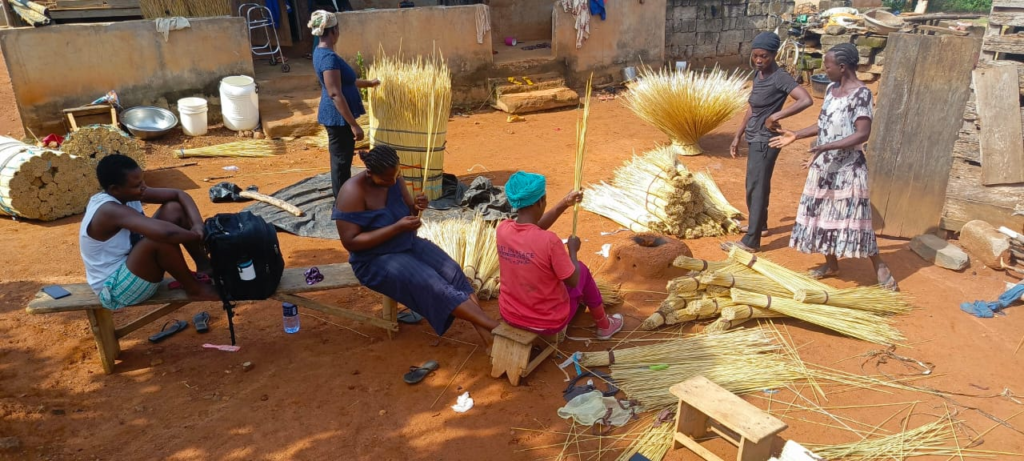
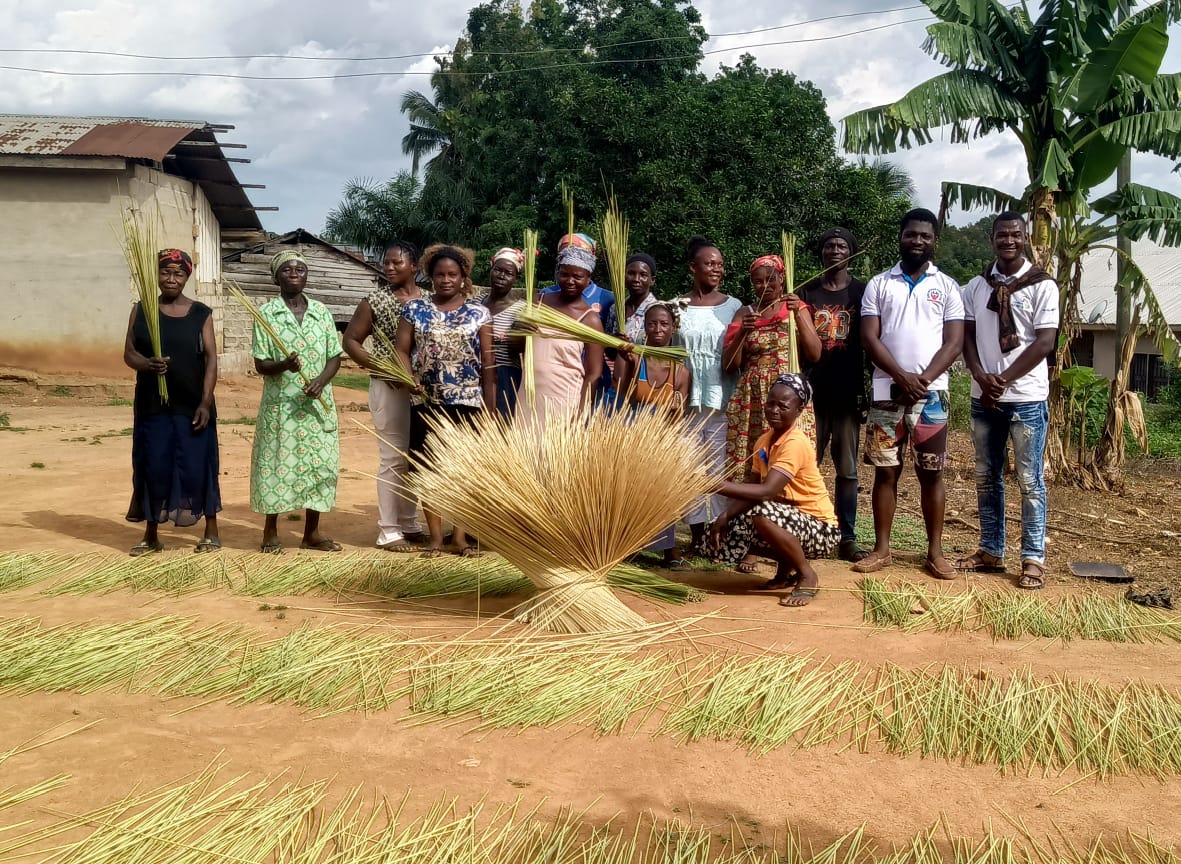
These women, members of the Asongtaaba Straw Canes Producers Cooperative , a 52-member group based in Duayaw Nkwanta, form a critical link in a value chain that supports livelihoods and sustains a globally recognized craft. The straw they harvest serves as the foundation for the iconic Bolgatanga baskets—handwoven products celebrated both locally and internationally.
Unlike other agricultural activities confined to a single location, straw cane harvesting presents unique challenges. The raw materials are dispersed across different areas, forcing the women to commute for long hours, often on foot, to reach designated harvesting sites. The process is not only time-consuming but physically demanding, compounded by difficult access routes and the intensity of the environment.
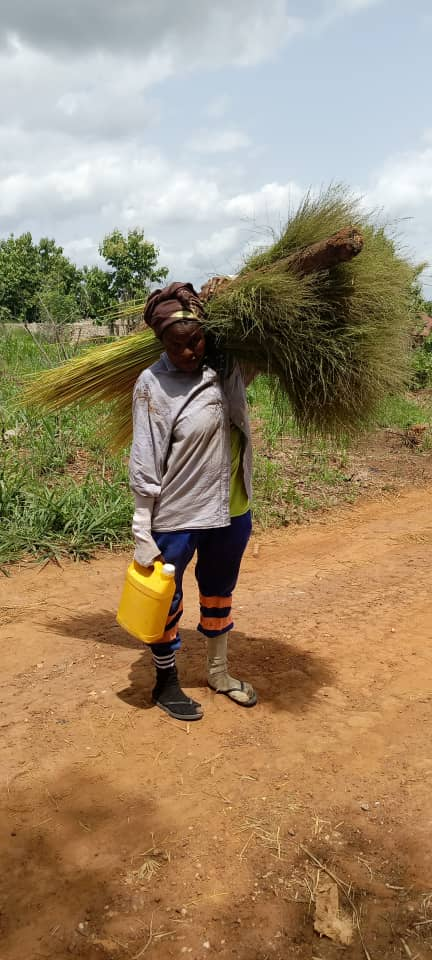
Despite these obstacles, the women remain steadfast. For them, straw collection and weaving are more than economic activities—they are a means of survival and a way to preserve a deeply rooted cultural tradition. Each bundle of straw gathered represents the beginning of a meticulous process that ends in finely crafted baskets, synonymous with Ghana’s artisanal identity.
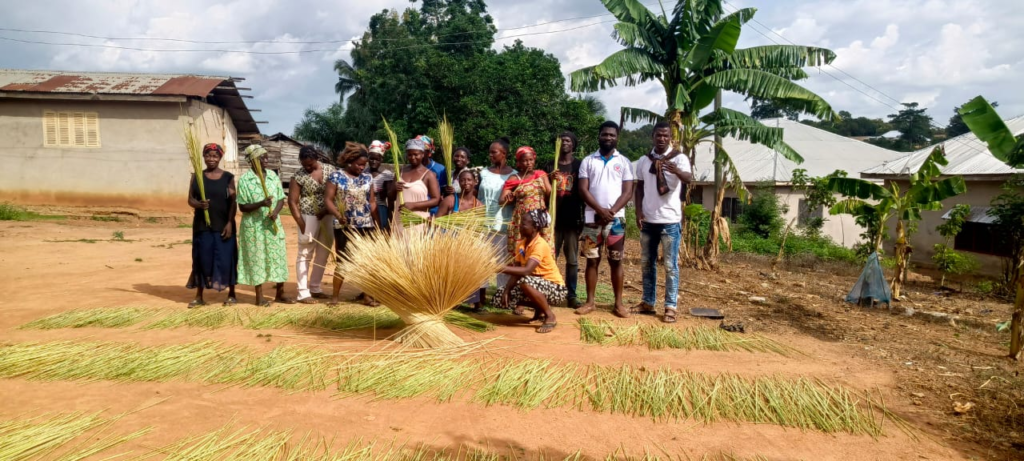
Recognizing the burdens faced by these women, Community Aid Integrated Ghana , a facilitating organization, is stepping in to provide support. Through a fair trade approach, the organization aims to ease the challenges associated with accessing raw materials while improving working conditions for the straw collectors.
“Our goal is to reduce the stress these women endure by ensuring they have the necessary logistics and support systems,” the organization noted. “By strengthening fair trade practices, we are working to create a more sustainable and equitable environment for the producers.”


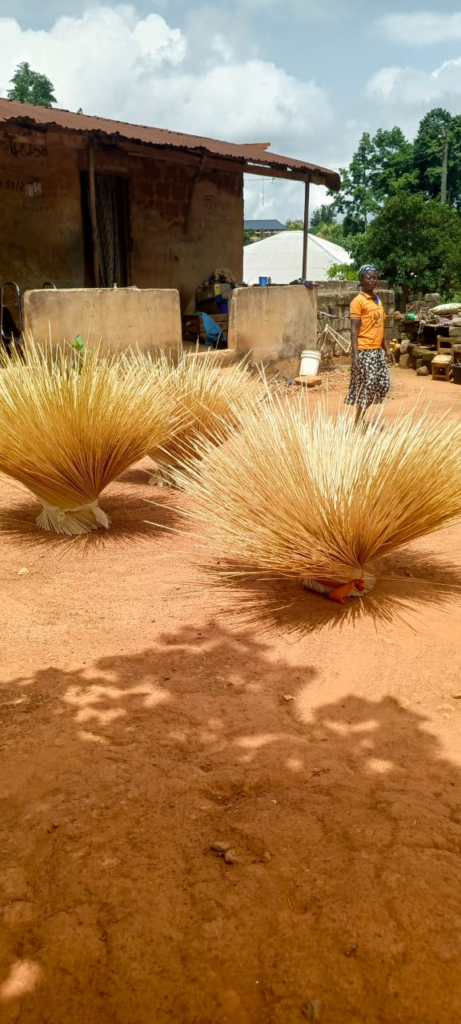
Stakeholders in the sector continue to highlight the importance of investing in grassroots producers, emphasizing improved access to raw materials, better transportation systems and expanded market opportunities as key to sustaining the industry.
The story unfolding in Duayaw Nkwanta sheds light on the often-overlooked beginnings of the Bolga basket. Behind every finished product lies hours of labor, resilience and determination. For these women the journey is not just about distance—it is about preserving a legacy and securing a future.